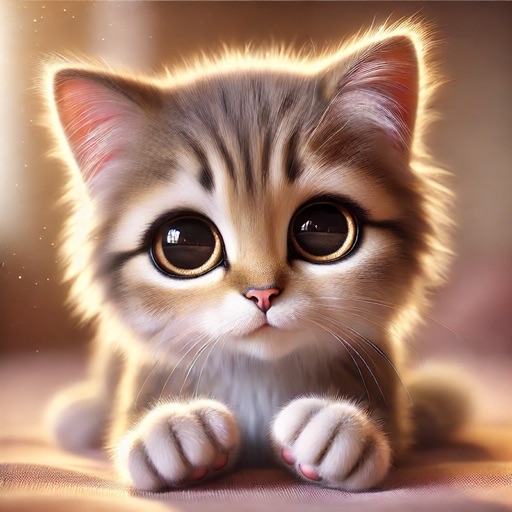
- CFA gives Russian Blue eye color as vivid green, and describes the intensity of the green as deepening with age.
- CFA requires an even bright blue coat with guard hairs distinctly silver tipped, giving a silvery sheen, with a definite contrast between the ground color and the tipping, and free from tabby markings.
- CFA gives Russian Blue nose leather as slate gray and paw pads as lavender pink or mauve.
- CFA describes the Russian Blue as a medium sized cat, with males rarely exceeding 10 pounds (4.5 kg) and females ranging from 5 to 8 pounds (2.3 to 3.6 kg).
- Gray is the everyday word for what breeders call blue, and it comes from a recessive single base deletion in MLPH that dilutes black pigment to gray and red to cream.
Side by side
| Russian Blue | Gray cat | |
|---|---|---|
| Eye color | Vivid green required, deepening with age. | Any color. Gold, copper, yellow, hazel and green all occur on gray cats. |
| Coat | Short, dense, fine, plush double coat standing out from the body, with distinctly silver tipped guard hairs. | Any length and texture. Gray is a color and imposes no coat requirement. |
| Tabby markings | Required to be absent under the CFA color description. | Possible. Ghost patterning can bleed through in dilute coats. |
| Nose leather and paw pads | Slate gray nose leather, lavender pink or mauve paw pads. | Not fixed. Gray, pink and brown pads all occur. |
| Size | Medium, with males rarely exceeding 10 pounds (4.5 kg) and females 5 to 8 pounds (2.3 to 3.6 kg). | Unconstrained, since color says nothing about size. |
| What the word means | A registered breed with a written standard and a pedigree behind every registered cat. | A color. CFA notes that geneticists and breeders call a gray cat a blue cat. |
What to look at
- Check the eyes. CFA requires vivid green for the Russian Blue. Gold, copper or yellow eyes on a gray cat point away from the breed.
- Check the guard hairs in sunlight. CFA asks for distinctly silver tipped guard hairs with a definite contrast against the ground color, which reads as a silvery sheen over blue.
- Check the coat density. The Russian Blue coat is short, dense, fine and plush, a double coat that stands out from the body and leaves a mark when you run fingers through it.
- Check the paw pads and nose leather, because CFA specifies lavender pink or mauve pads and slate gray nose leather, which is a narrower requirement than most gray cats meet.
- Check for tabby markings. The CFA color description requires the coat to be free of them, so ghost stripes in strong light argue for an ordinary blue tabby or blue domestic cat.
- Check the head last. CFA asks for a smooth medium wedge with a blunt muzzle, a flat top skull and no nose break or stop, and a face that reads broad across the eyes because of the wide eye set and thick fur.
Where gray comes from
Gray is black that has been diluted. The mechanism was pinned down in Genomics in 2006, which mapped dilute to cat chromosome C1 and identified a single base pair deletion in exon 2 of melanophilin, MLPH, introducing a premature stop codon and truncating most of the protein. The trait is autosomal recessive and fully penetrant, so a cat needs two copies to show it, and the same variant turned up in 97 unrelated dilute cats across 26 breeds and random bred cats. It affects both pigment pathways: black becomes gray, which breeders call blue, and red becomes cream. That single mutation accounts for gray cats worldwide, in every breed and in none.
The breed is narrower than the color
Every gray cat has dilute. Only a small number of them meet CFA's Russian Blue description, which is unusually specific about surfaces rather than shape. It asks for an even bright blue coat, lighter shades preferred, with guard hairs distinctly silver tipped and a definite contrast between ground color and tipping, and it requires the coat to be free of tabby markings. It fixes the nose leather at slate gray and the paw pads at lavender pink or mauve, and the eye color at vivid green. CFA also notes the breed's history: cats believed to come from the Archangel Isles in northern Russia, shown in early English cat shows as Archangel Cats, developed by Scandinavian breeders between the early twentieth century and the Second World War.
What a photo can and cannot tell you
A photo covers most of the checklist if the light is right. Eye color, silver tipping on the guard hairs, coat density, ghost tabby markings, nose leather and paw pad color are all visible, and together they will usually rule the breed in or out against the written description. Shoot in daylight and avoid flash, which flattens the tipping and shifts green eyes toward yellow. What a photo cannot do is confirm the breed when everything matches, because Russian Blue is a registry status and not a look. A green eyed gray cat with a plush coat is a very good match until papers say otherwise, and most such cats are unregistered.
Related guides
- Bombay cat vs black cat: A Bombay is a registered breed with a written color requirement; a black cat is any cat with a black coat.
- Domestic shorthair: Domestic shorthair is not a breed.
- Dilute calico and dilute tortie: Dilute versions swap the colors, not the pattern.
Sources
- Cat Fanciers' Association: Russian Blue breed profile and show standard
- Ishida Y et al. (2006) A homozygous single-base deletion in MLPH causes the dilute coat color phenotype in the domestic cat. Genomics
- Cat Fanciers' Association: Coat and Color Descriptions
- Lyons LA et al. (2021) Mining the 99 Lives Cat Genome Sequencing Consortium database implicates genes and variants for the Ticked locus in domestic cats. Animal Genetics